



“Contigo”, a platform designed to improve communication with the families of critically ill patients
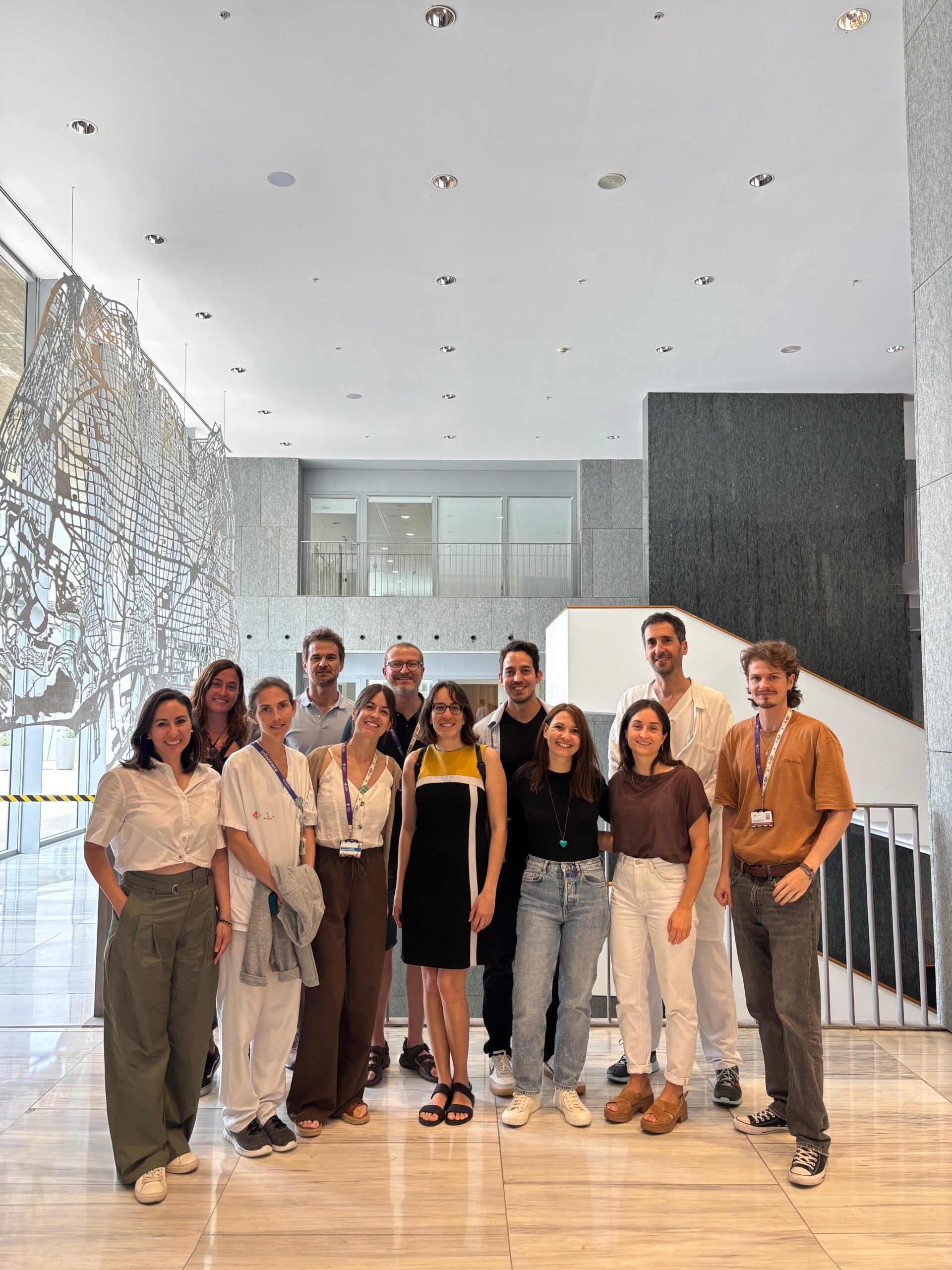
Sant Pau-Campus Salud Barcelona and Better Care have carried out a six-month mentoring plan to help develop the solution with the objective that in the future it can be integrated into the humanization protocols of the ICU.
Students from different fields related to health have developed Contigo, a platform designed to improve communication between healthcare professionals and families of patients admitted to the ICU.
This month of June, a six-month mentoring program carried out with the collaboration of Sant Pau-Campus Salud Barcelona and the clinical data management and processing company Better Care ended, with the objective of providing participants with a solid theoretical base and practical tools directly applicable to the development of their proposal.
The mentoring program reflects the commitment of Sant Pau-Campus Salud Barcelona and Better Care to the promotion of projects aimed at improving health care and people's quality of life through technology. Both entities have highlighted the importance of a model that values public-private collaboration in the field of health as a way to promote the development of products that respond to real needs of the clinical environment.
During the program, participants received training both in healthcare aspects and in the knowledge of the needs of healthcare professionals, as well as in market analysis, prototype design, technological development, marketing and marketing strategies.
Personalized and doctor-validated communications
Contigo is a platform that allows family members of patients admitted to the ICU to receive information validated by medical professionals about the patient's status and care, with a high degree of personalization.
At the same time, it acts as a support tool for healthcare teams, helping them to optimize their care time, improve communication and reduce family uncertainty in times of high emotional burden. The solution has been designed to be easy to use, visually clear and fast, adapting to all types of users, even those with less digital experience.
This project was the winner of the challenge proposed by the ICU of the Hospital de Sant Pau within the framework of the HealthTech 2030 Innovation Challenge promoted by Xartec Salut.
The objective is that in the future this tool can be structurally integrated into ICU humanization protocols.