


Girona Deploys a Networked Critical Care Model That Reduces Patient Transfers Between Hospitals
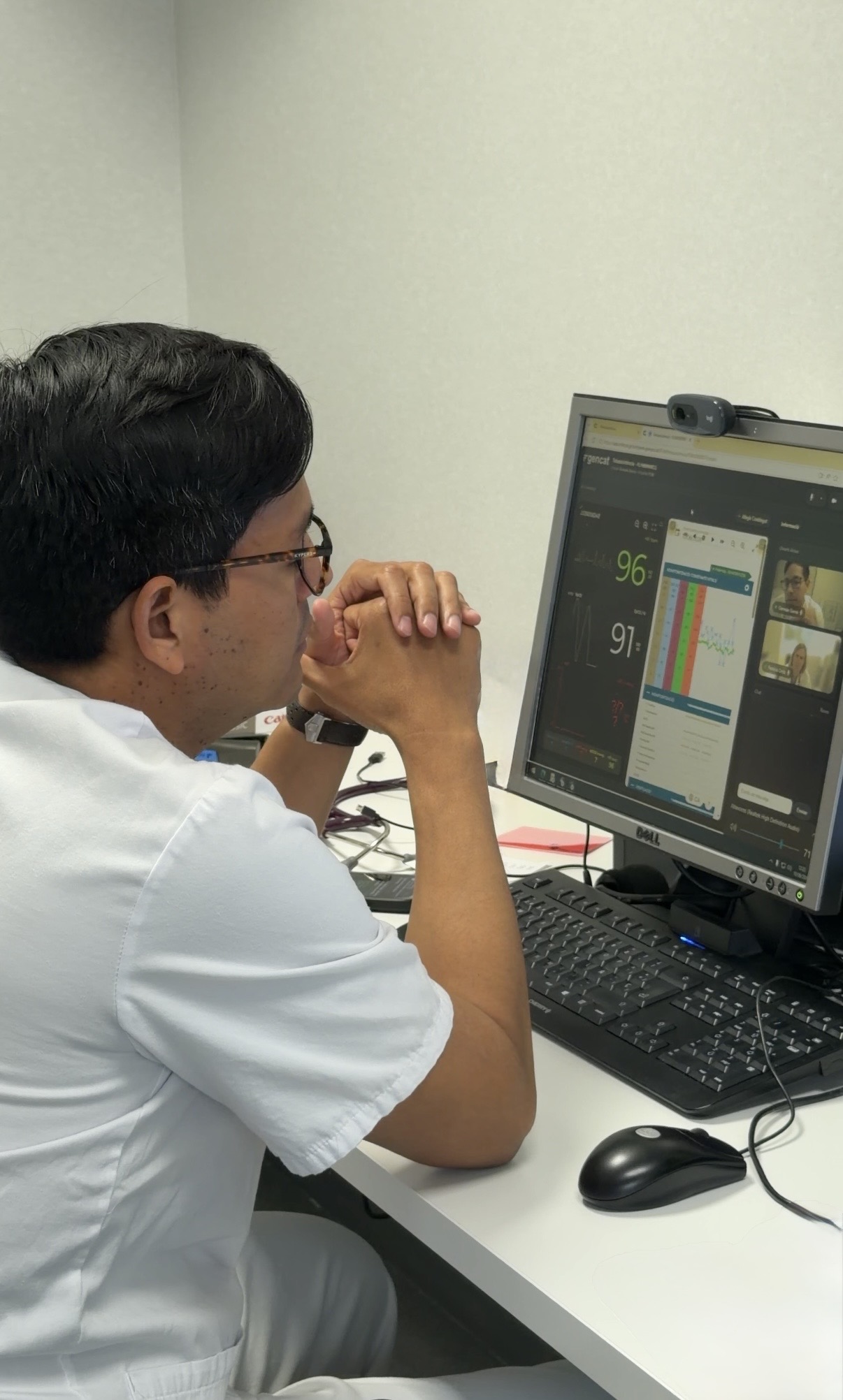
- New intensive care model enables regional hospitals to operate as a connected care network linked to referral centres, bringing critical care expertise closer to patients through the remote monitoring of critically ill and high-dependency patients.
- Within the first month of operation, the initiative enabled the remote management of 11 patients and avoided unnecessary transfers in six cases from Palamós Hospital to Josep Trueta University Hospital in Girona.
- Better Care’s BC Link® interoperability platform provides specialists at referral hospitals with real-time clinical data from the originating hospital, enabling remote monitoring of critically ill patients across the entire Girona region.
Barcelona, 17 May 2026 – The Girona Health Region has launched a new remote care model for critically ill and high-dependency patients, bringing intensive care expertise to regional hospitals that do not have their own Intensive Care Unit (ICU). The project, currently operating between Palamós Hospital, the Trueta–Santa Caterina Territorial Critical Care Service and the Cardiovascular Critical Care Unit at Josep Trueta University Hospital in Girona, represents one of the first deployments under the Catalan Government’s Critic.CAT programme.
The project became operational in May. According to Palamós Hospital, it has already enabled the remote monitoring of 11 patients, including eight critical care cases and three cardiology patients. In six of these cases, patients were safely managed at their local hospital without requiring transfer to Girona, avoiding unnecessary travel for patients and their families while optimising ICU bed availability at the referral centre.
The initiative addresses one of the key challenges facing modern healthcare systems: ensuring access to specialised care regardless of where patients receive treatment. Under this new model, critically ill and high-dependency patients can remain at their local hospital whenever clinically appropriate, while benefiting from the oversight of specialist intensivists based at referral centres.
The technological infrastructure underpinning this new approach is BC Link®, Better Care’s clinical connectivity and interoperability platform. The solution captures and integrates real-time data from bedside monitors, mechanical ventilators, infusion pumps and other medical devices connected to patients at the originating hospital, normalises the information and makes it available to healthcare professionals anywhere within the care network..
A Collaborative Critical Care Model
This new approach aims to transform how critical care is organised. Rather than concentrating specialised expertise in a limited number of centres, clinical knowledge can be delivered virtually wherever it is needed. Patients admitted to regional hospitals become part of a connected critical care network where intensivists, cardiologists and other specialists collaborate in real time using a shared clinical dataset.
Although currently operating as a pilot programme between Palamós Hospital and Josep Trueta University Hospital, the initiative is expected to expand progressively over the coming months to other hospitals across the Girona Health Region, including Figueres Hospital, Olot Hospital, Sant Jaume Hospital in Calella and Blanes Hospital.
Once fully deployed, the programme is expected to increase critical care capacity from 27 to 39 beds and high-dependency capacity from 12 to 44 beds across the region, while maintaining the same standards of quality and patient safety. It is also expected to reduce the approximately 200 annual transfers of critically ill patients currently carried out within the territory.
Beyond its organisational and economic benefits, the project seeks to improve equity in access to specialised critical care services. Patients will be able to receive treatment closer to home, while benefiting from greater family support throughout their care journey.
“We are proud to contribute to a project that aims to redefine critical care delivery,” said Xavier Garcia, CEO of Better Care. “We firmly believe technology should act as an enabler of better healthcare. This new care model demonstrates how clinical interoperability can bring intensive care expertise to any hospital across the region.”
Better Care has spent years developing solutions that allow clinical data to follow patients wherever they are. On example is the territorial TeleUCI programme implemented with Arnau de Vilanova University Hospital in Lleida, where interoperability, remote monitoring and clinical intelligence combine to extend specialist expertise beyond the physical walls of the ICU and create a more efficient, equitable and sustainable healthcare network.
“Hospitals generate enormous volumes of clinical data every second, but its true value emerges when that information can be shared in real time between professionals across different centres. BC Link® acts as the connection point that enables continuity of care by transforming clinical data into a tool for collaborative decision-making,” added Garcia.
The deployment across the Girona Health Region represents the foundation of the future Critic.CAT model promoted by the Catalan Department of Health, an initiative designed to transform critical care delivery through networked healthcare structures that combine proximity, specialist expertise and technology.
“Through this project, Better Care reinforces its commitment to clinical interoperability, remote monitoring and the transformation of critical care models. Our objective is to support the development of new healthcare systems built around connected data, collaborative care and continuity of care at a regional scale,” concluded the company’s CEO.
You might also be interested in this news

The Sant Pau Hospital will optimize clinical decision-making with Better Care's comprehensive solution for managing medical data